Comprehensive Diabetes Management
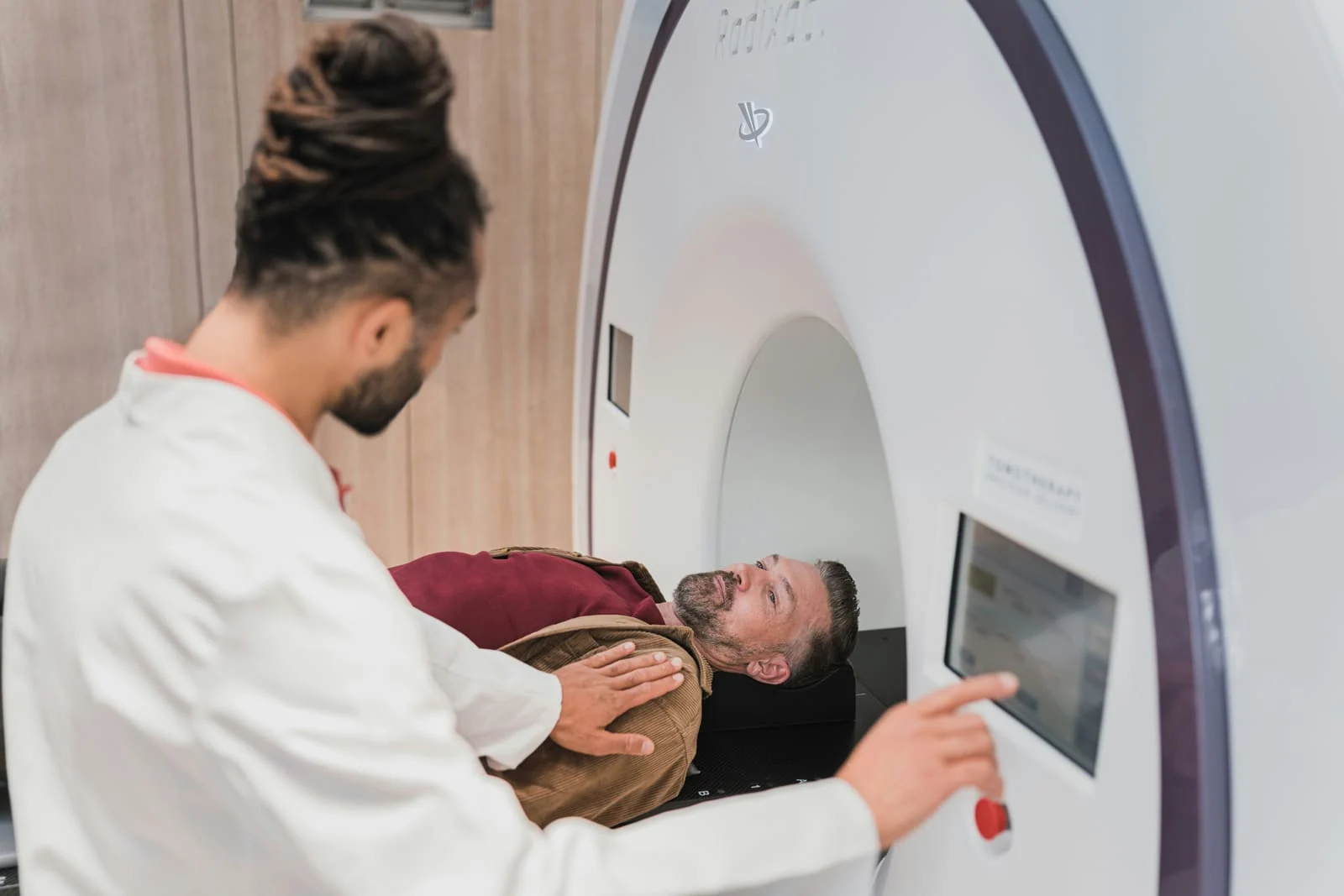
Patient Background
The patient came in with rising home glucose readings, fatigue, and uncertainty about which daily habits were driving the numbers. Records showed diabetes that had been treated in pieces: medicines adjusted at one visit, meals discussed at another, and long gaps between checks.
The latest HbA1c had climbed, and eye, kidney, and foot checks were overdue. The patient knew the sugar was high, but not which home reading should prompt a call, or how meals and walking were supposed to fit with the current medicine.
Challenge
The main challenge was building one plan that covered glucose, meals, activity, and follow-up, instead of changing one part while the others stayed the same.
A dose change without a meal pattern, or a diet note without a date to recheck the labs, left the patient guessing. Comprehensive diabetes care needed those pieces on one program, with complication checks included rather than saved for a later problem.
Diabetes Management Plan
The visit turned separate diabetes advice into one program: what to measure, what to change this month, and which body checks belong with the glucose review.
- Review of glucose history, medicines, and recent lab results
- Targets for daily readings and the next blood test
- A meal pattern the patient could keep during a normal week
- Activity goals matched to fitness and any foot concerns
- Eye, kidney, and foot checks booked with the same diabetes plan
- A short guide for reading the home log before the next visit
- A follow-up date to adjust the plan from real home logs

Outcome
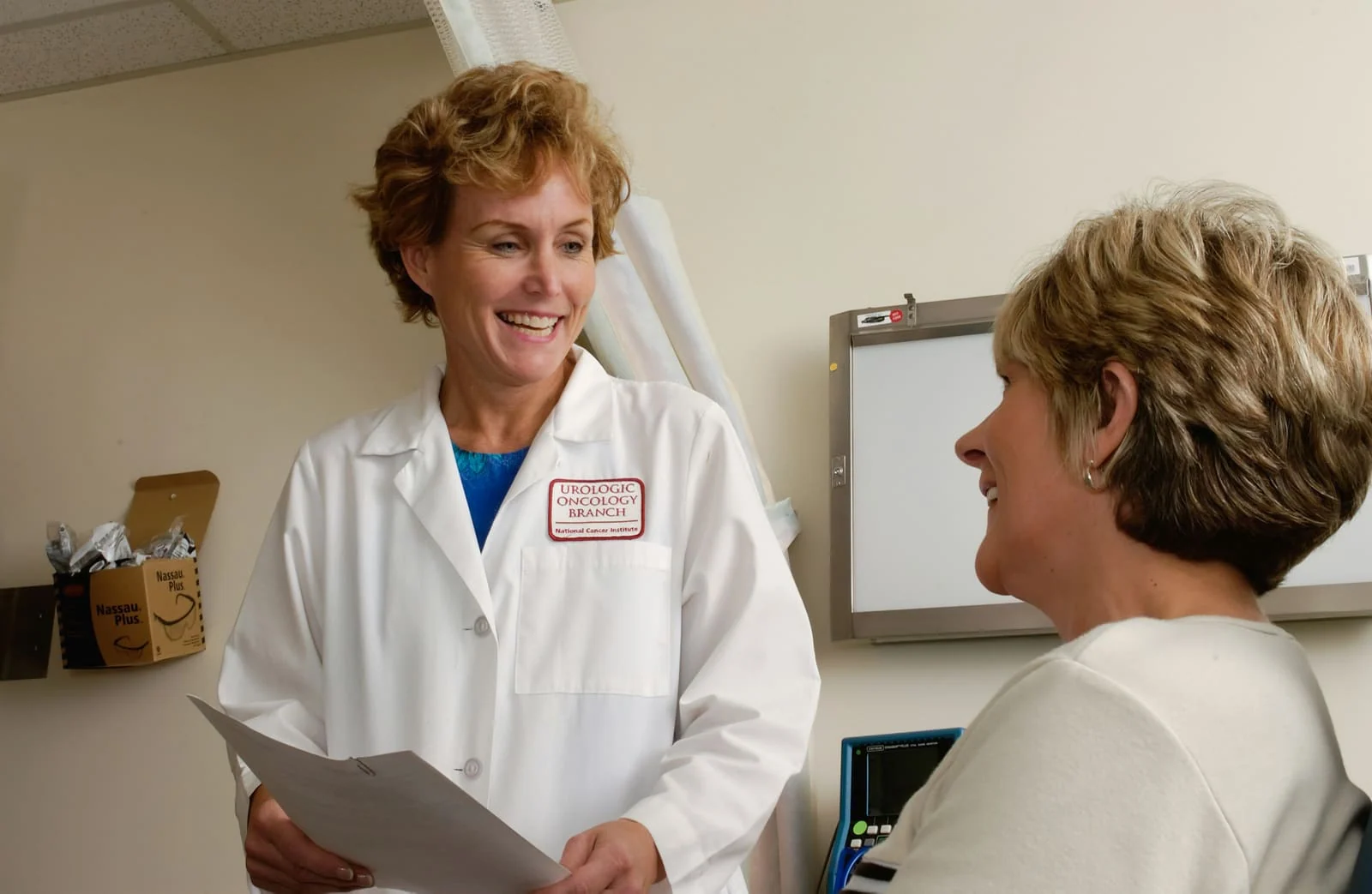
Over the following months, home readings settled into the agreed range and the patient kept the meal pattern through a normal work week. Follow-up labs matched the daily logs, so later changes were based on a full picture.
The patient could name the glucose target, the next lab, and the eye, kidney, and foot checks still on the schedule. Later visits opened that same diabetes program instead of starting again from the newest symptom.
Conclusion
Diabetes care holds when glucose, meals, activity, and the next check are planned together. A single plan the patient can repeat is more useful than a series of separate adjustments.
Comprehensive management means the medicine, the week of meals, the walking goal, and the organ checks stay on one page. When the next step is chosen before the patient leaves, the gap between visits stops undoing the work.