Understanding Diabetes: Early Signs and Prevention.
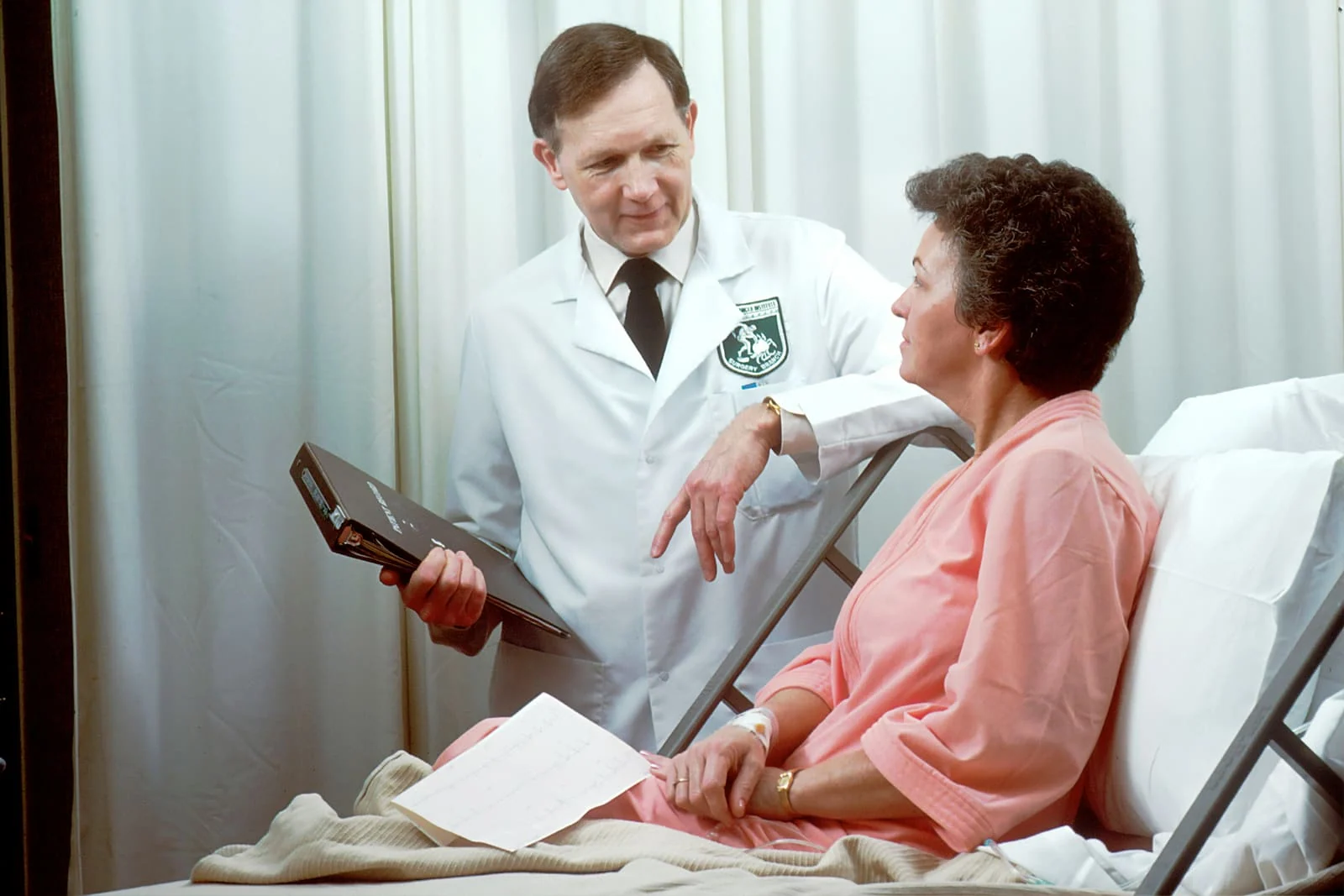
Diabetes is a chronic condition that affects how the body regulates blood sugar (glucose). When left undiagnosed or unmanaged, it can lead to serious health complications. Understanding the early warning signs and focusing on prevention are key steps toward long-term health.
What Is Diabetes?
Diabetes occurs when the body either does not produce enough insulin or cannot effectively use the insulin it produces. Insulin is essential for allowing glucose to enter cells and provide energy. When this process is disrupted, blood sugar levels rise, increasing the risk of long-term damage to vital organs.
Common Early Signs of Diabetes
Common early signs include:
- Frequent urination
- Increased thirst and hunger
- Unexplained weight loss
- Persistent fatigue
- Blurred vision
- Slow-healing wounds or frequent infections

If these symptoms persist, it is important to seek medical evaluation promptly.
Why Early Detection Matters
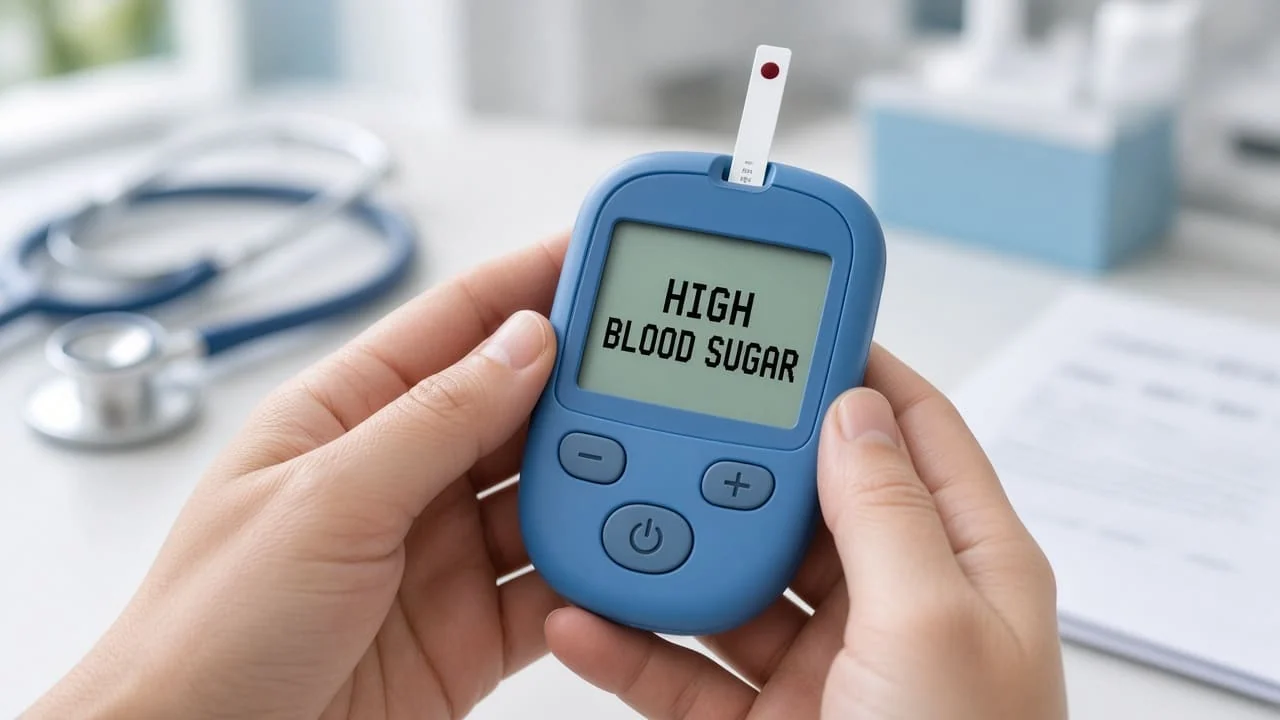
Early diagnosis allows for timely treatment, helping to control blood sugar levels and reduce the risk of complications such as heart disease, kidney damage, nerve problems, and vision loss. Routine checkups and screenings play a crucial role in early detection.
Risk Factors for Diabetes
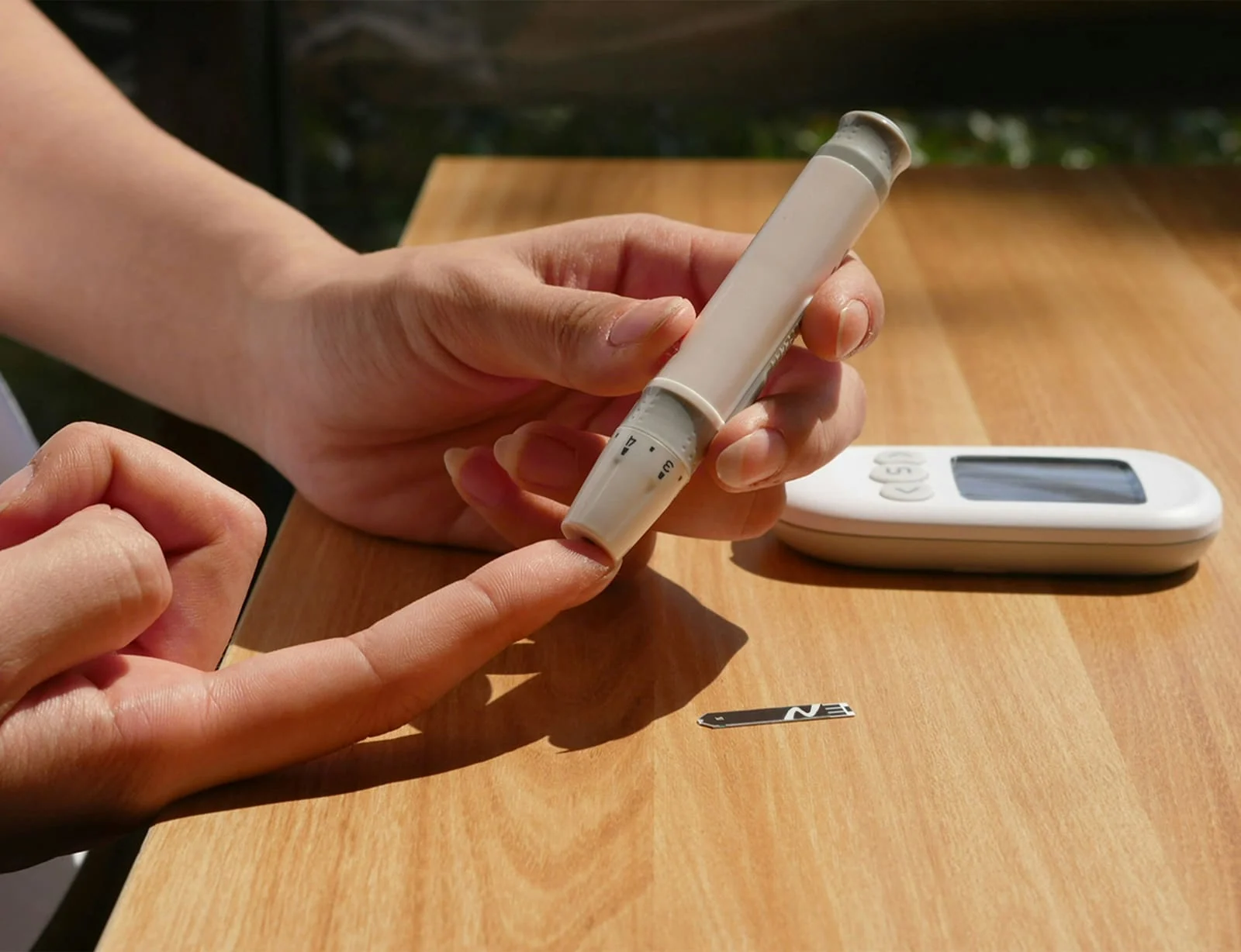
Several factors can increase the risk:
- Family history of diabetes
- Overweight or obesity
- Sedentary lifestyle
- Poor dietary habits
- High blood pressure or cholesterol
- Increasing age
Understanding these risks can help individuals take proactive steps toward prevention.
Preventing Diabetes Through Lifestyle Choices
While some risk factors cannot be changed, many preventive measures are within your control:
- Maintain a balanced, nutritious diet
- Engage in regular physical activity
- Maintain a healthy weight
- Monitor blood sugar levels if advised by a doctor
- Manage stress and get adequate sleep
Small, consistent lifestyle changes can significantly lower the risk of developing diabetes.
When to See a Doctor
Diabetes is a manageable condition when detected early and treated properly. By staying informed, adopting healthy habits, and scheduling regular medical checkups, individuals can take control of their health and reduce the risk of serious complications.